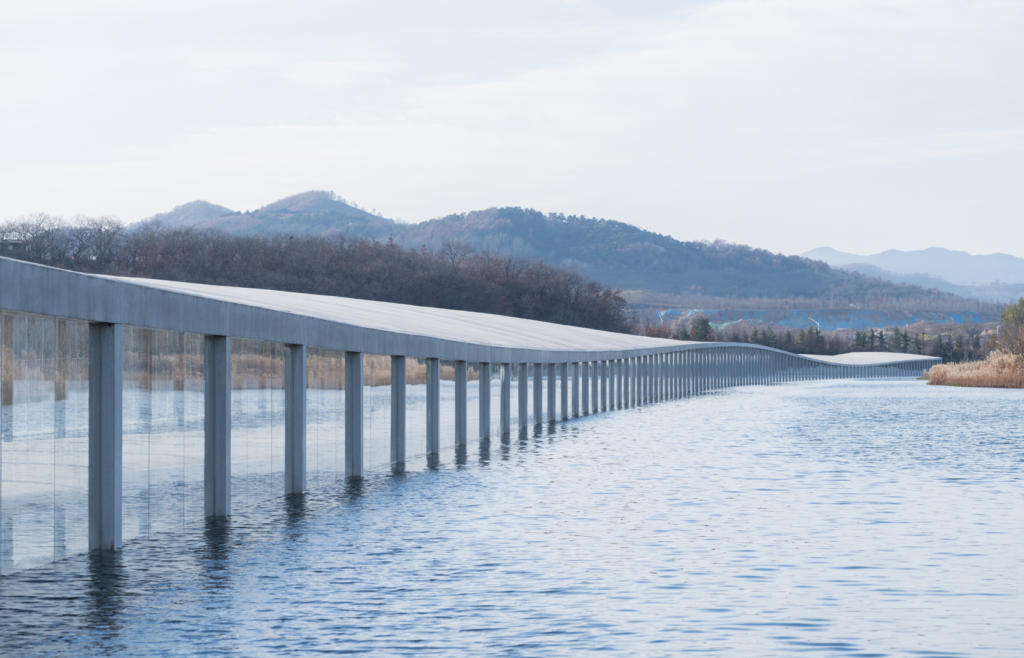
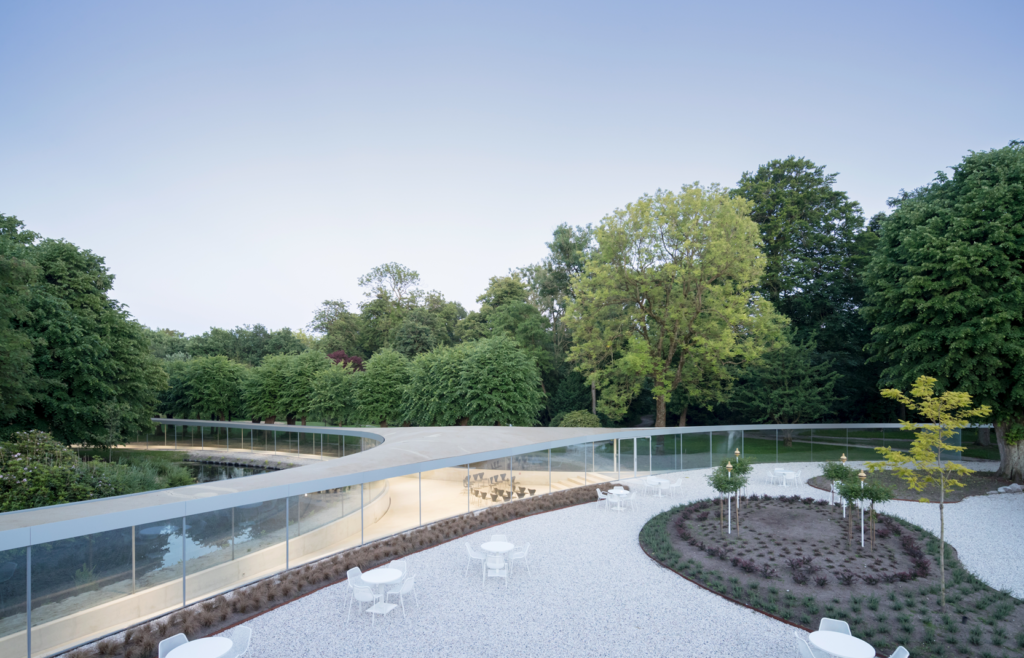
I wish to create a “new outside” inside architecture.
By “outside” I do not simply mean the outdoors. What I consider the “outside” is a landscape that encompasses diverse environments, a wide variety of climates, conditions, and cultural landscapes that constitute the many different fūdo found across the earth.
To make architecture is to create a new environment that does not yet exist anywhere on earth. This is my philosophy of architecture.
Since the modern era, the qualities demanded of architecture have become increasingly homogeneous. Regardless of where the architecture is situated in the world, similar conditions of temperature, humidity, light, and comparable functional comfort are expected. In other words, one of the primary objectives of contemporary architecture is to isolate the architecture from its external environment and to create a self-contained interior environment as much as possible.
I question this approach.
Architecture, by its very nature, has always gently embraced the external conditions of where it was situated to create a sense of comfort particular to that place. When climate and topography, light and wind, or the customs and cultures of the people who reside there vary, the sense of comfort also varies from place to place. As a result, the functions required of architecture, its forms, or its cultural meanings have been incredibly diverse.
However, as architectural environments become increasingly homogenized, the purpose of making architecture turns to creating a self-contained interior environment that is efficiently isolated from the outside. Architecture, then, turns into a shelter that separates people from the world.
Our aim is to recover the relationship that architecture traditionally possessed with its locality, climate, and cultural contexts. It does not mean a nostalgic return to the architecture of the past. It is about creating new relationships between architecture and the environment, while embracing the technologies and values of our time.
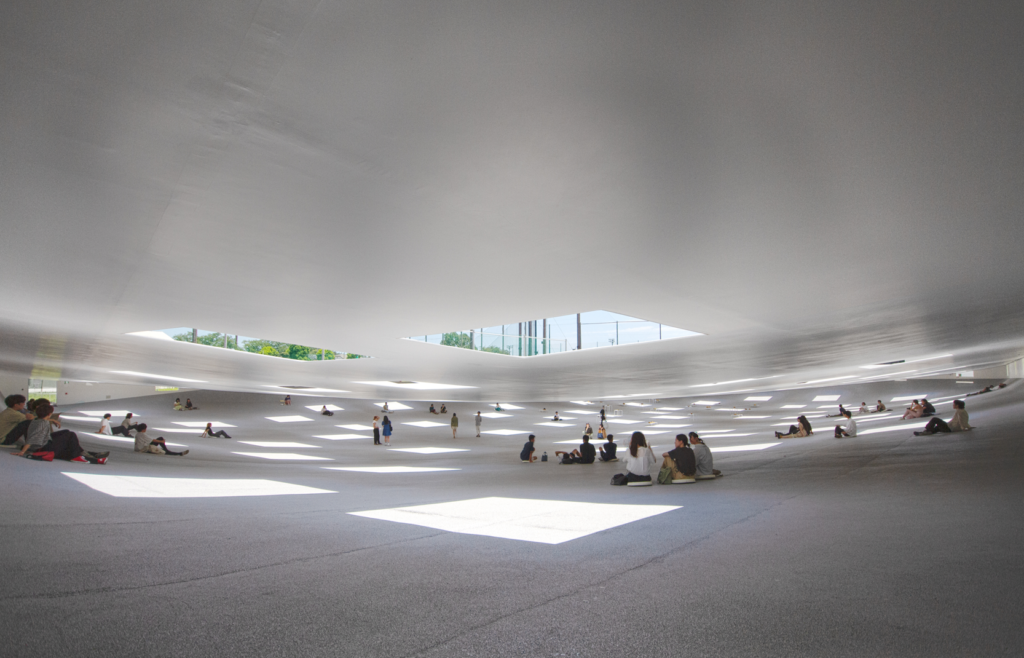
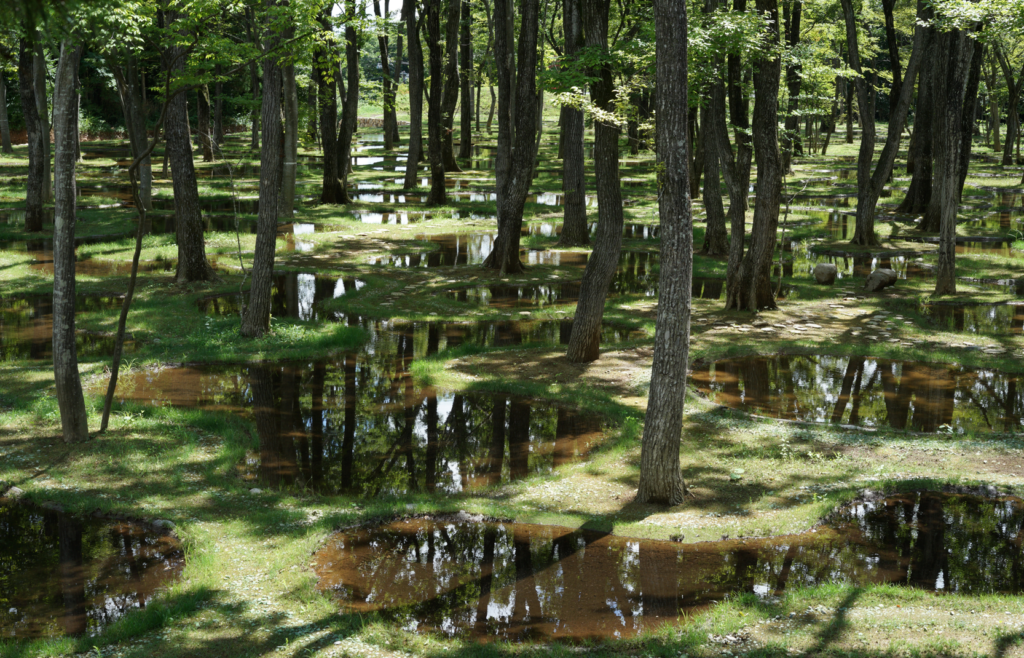
Architecture and landscape, inside and outside, openness and enclosure, history and modernity. Rather than treating them as opposites, we regard them as equivalent conditions within a single environment. By removing, or reconstructing, the boundaries between those that have conventionally been separated from one another, we create new relationships among them.
By doing so, an environment that we have never experienced before might be brought into being in this world.
An environment enveloped within architecture is no longer the inside, in the conventional sense. It is where different environments coexist, while light and wind, nature and people, architecture and landscape relate to one another to form a new environment — a new fūdo.
I call this the “new outside.”
— Junya Ishigami